Blog
When Is the Best Time of Year to Sell Construction Equipment?
Seasonal demand, weather, and budget cycles that determine the best time of year to sell construction equipment at auction.
Published
Category
Selling Equipment

Latest auction
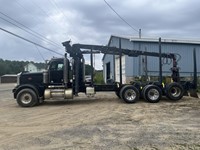
2015 Serco 8500
Subscribe to Updates
Get monthly insights on equipment values, market trends, and selling strategies. Real advice, no spam.
Timing a construction equipment sale right can mean the difference between a strong price and a mediocre one. Unlike farm equipment, which follows crop and harvest cycles, construction equipment demand tracks a different calendar, one shaped by weather, budget seasons, and the rhythm of the building industry itself.
Why Late Winter and Early Spring Tend to Peak
For most of the country, construction activity ramps back up as the ground thaws and weather becomes workable again. Contractors who spent the winter bidding new jobs need equipment in hand before breaking ground, which creates a surge in buying activity in late winter and early spring. That surge in demand tends to lift prices for excavators, skid steers, dozers, and other commonly used machines.

Selling just ahead of that seasonal ramp-up, rather than waiting until contractors already have what they need, puts your equipment in front of buyers at the exact moment their urgency is highest. Waiting until the middle of a busy construction season often means competing with a flood of other sellers who had the same idea.
Fiscal Year-End Budget Cycles
Many construction companies and municipal fleets operate on fiscal years that don’t match the calendar year, and equipment purchases often cluster around the end of a fiscal period when capital budgets need to be spent or reallocated. Government and municipal buyers in particular can be more active in these windows, and they are often cash buyers who move quickly once a budget is approved.
Knowing the fiscal calendar of the buyer types most likely to want your equipment, whether that’s private contractors, rental companies, or government fleets, can help you time a listing to land right as budgets open up.
Regional Weather Patterns Matter
The ideal selling window shifts depending on where you are. In colder northern states, the spring thaw window is sharp and short, and buyers scramble to get equipment lined up in a tight timeframe. In warmer southern and coastal markets, construction runs closer to year-round, so the seasonal swing in demand is less dramatic, and timing matters less than it does further north.
If you’re selling equipment that could serve buyers in multiple regions, such as a crawler excavator or a compact track loader, consider how your timing lines up not just with your local market but with buyers who might be shipping the equipment somewhere with a different seasonal pattern altogether.
What Slows Demand Down
Late fall and early winter tend to be the softest period in most of the country, as contractors wind down active jobs and hold off on equipment purchases until spring. Selling into this window usually means a longer time on market and a softer price, unless the equipment is in high demand nationally or being sold to a buyer in a warmer climate where work continues through winter.
That doesn’t mean you should never sell in the off-season. Sometimes the need for cash, a change in business direction, or simply not wanting to store and insure an idle machine through winter outweighs the seasonal discount. It just means you should go in with realistic expectations about price and timeline.
Planning Your Sale Around the Calendar
If you have flexibility on when to sell, late winter through early spring is generally the strongest window nationally, with regional adjustments based on your local climate and the fiscal calendars of likely buyers. If you don’t have that flexibility, a well-presented machine with clean maintenance records can still draw solid interest even in a slower season.
Main-West Equipment tracks seasonal demand patterns across construction equipment categories so our sellers can time their listings well. If you’re weighing when to sell, reach out to our team for a read on current market conditions in your area.
Other Blogs