Blog
Buying a Water Truck or Fuel Truck: Tank Material and Capacity
How tank material, capacity, and pump systems differ between water trucks and fuel trucks, and what buyers should inspect before bidding on either.
Published
Category

Latest auction
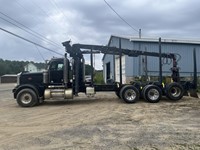
2015 Serco 8500
Subscribe to Updates
Get monthly insights on equipment values, market trends, and selling strategies. Real advice, no spam.
Water trucks and fuel trucks look similar from a distance, but the two serve very different purposes and are built around different materials, safety requirements, and pump systems. Buying the wrong specification for the intended use can create compliance issues, safety hazards, or simple performance problems on the job. Understanding tank material, capacity, and the equipment mounted on the chassis helps buyers choose the right truck rather than assuming any large tank on wheels will do the job.
Water Truck Tank Materials: Steel, Aluminum, and Poly
Tank material is the first major decision point. Water trucks are commonly built with steel, aluminum, or polyethylene plastic tanks. Steel tanks are durable and relatively inexpensive but are prone to rust and internal corrosion over time, especially if the truck sits idle or hauls water with high mineral content. Aluminum tanks resist corrosion better than steel and are lighter, which allows for more payload capacity within the same gross vehicle weight rating, but they typically cost more upfront and can be more expensive to repair if damaged. Polyethylene tanks are corrosion-proof and lightweight, making them popular for smaller water trucks and municipal or dust-control applications, though they generally come in smaller capacities than steel or aluminum options.
Fuel Truck Tank Requirements and DOT Compliance
Fuel trucks require a different set of material and safety considerations because they carry regulated, flammable product. Fuel tanks are typically constructed from aluminum or steel with internal baffling to control surge and are built to meet specific DOT cargo tank specifications depending on the fuel type being hauled. Unlike water tanks, fuel tanks must meet stricter testing, inspection, and certification requirements, and buyers should always confirm the tank’s specification plate and current inspection status before assuming a fuel truck is ready to put into service.
Capacity needs depend heavily on the application rather than simply buying the largest tank available. Dust control and construction site water trucks often range from 2,000 to 4,000 gallons for smaller job sites, up to 6,000 gallons or more for larger earthmoving projects covering significant acreage. Overbuying capacity increases weight, fuel consumption, and licensing requirements, while underbuying means more frequent refill trips that reduce productivity. Match tank capacity to the size of the job site, the frequency of water sources nearby, and the gross vehicle weight rating of the chassis carrying the tank.
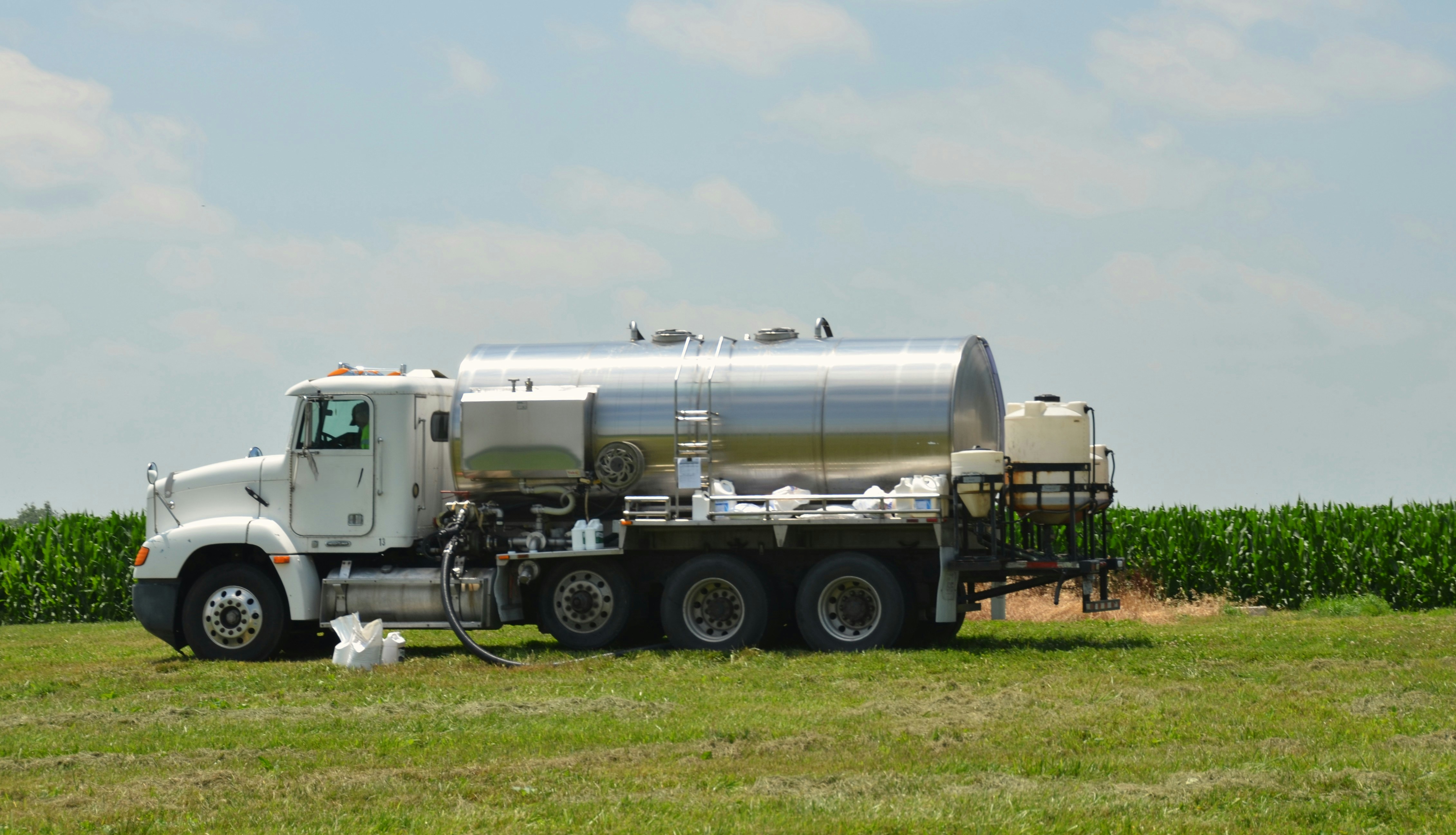
Choosing the Right Tank Capacity
Fuel truck capacity is driven by delivery frequency, customer demand, and legal weight limits more than jobsite size. Small service trucks fueling equipment on a single site might run 500 to 1,000 gallon capacities, while larger bulk delivery trucks serving multiple customers can range from 2,500 gallons up to legal maximum weight limits for the chassis and axle configuration. Buyers should calculate expected daily delivery volume against realistic route times to avoid buying more capacity than the business can practically use, since excess capacity sitting unused still carries insurance, licensing, and depreciation costs.
Pump Systems and Chassis Inspection
Pump systems differ significantly between the two truck types and deserve close inspection regardless of tank material. Water trucks typically use centrifugal pumps paired with spray bars, cannons, or hose reels for dust control, irrigation, or general water delivery. Check pump seals, impeller condition, and hose connections for wear, and run the pump during inspection whenever possible to confirm it primes and delivers pressure consistently. Fuel trucks use positive displacement pumps designed for accurate metering and safe fuel transfer, often paired with meters, filters, and grounding equipment required for safe fueling operations. Confirm that meters are calibrated and that grounding and static discharge equipment is present and functional, since these safety systems are not optional on a working fuel truck.
Chassis and running gear inspection matters just as much as the tank itself. Both water and fuel trucks carry significant weight when full, which puts extra stress on suspension, brakes, and tires compared to an empty chassis of the same size. Check tire condition and load ratings carefully, since a tank truck operating at or near its gross vehicle weight rating leaves little margin for worn tires or undersized brakes. Inspect the frame for cracks or repairs near the tank mounting points, since a poorly supported tank can shift or stress the frame over time.
Corrosion and internal tank condition are worth inspecting directly whenever access allows. On water trucks, open any inspection ports to check for rust, scale buildup, or sediment that could clog pumps and spray systems. On fuel trucks, ask about the tank’s cleaning and inspection history, since internal corrosion or contamination can compromise fuel quality delivered to customers and equipment. A tank that looks clean on the outside can still have significant internal issues that only show up during a proper inspection or pressure test.
Buyers evaluating either truck type at auction should request any available service records, tank inspection documentation, and pump maintenance history before bidding. A water truck with a well-maintained pump and a corrosion-free tank can provide years of reliable service at a reasonable price. A fuel truck with current DOT certification, a calibrated meter, and functioning safety equipment is ready to work immediately rather than requiring costly compliance repairs. In both cases, matching tank material and capacity to the actual job, rather than buying the biggest or cheapest option available, produces the best long-term value.
Other Blogs


