Blog
Buying Equipment Before Harvest: A Practical Auction Strategy
How to evaluate, bid on, and plan for equipment purchases before harvest turns every day into a deadline.
Published
Category

Latest auction
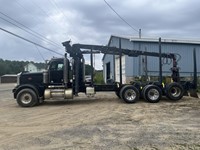
2015 Serco 8500
Subscribe to Updates
Get monthly insights on equipment values, market trends, and selling strategies. Real advice, no spam.
Buy before the schedule gets tight
Buying equipment before harvest can give your operation more options when it matters most. Once the season starts, every repair, rental decision, and machine change competes with the day’s work. Purchasing in advance lets you inspect equipment carefully, compare lots, arrange financing, and make a transportation plan before the calendar becomes urgent. Whether you are replacing a combine, adding a grain cart, or preparing a backup tractor, early planning can help the machine arrive with time for setup, service, and operator familiarity. It is often easier to make a measured purchase before every day is dictated by weather and field conditions.
Inspect with a purpose
Begin with the job the machine must do. List the acres, attachments, horsepower, capacity, and compatibility requirements that actually matter to your operation. This turns an auction catalog from a long list of possibilities into a focused buying plan. Review the equipment description, serial number, hours, maintenance notes, and photographs, then write down questions before inspection day. If possible, see the unit in person or have a trusted mechanic review the areas most likely to affect performance, including hydraulics, tires, belts, electronics, and wear components. A careful inspection is still one of the best ways to protect your investment.
A practical auction budget includes more than the winning bid. Account for the buyer’s premium if applicable, sales tax, repairs, parts, insurance, transportation, and downtime needed to prepare the machine. It helps to set a maximum purchase number before the auction opens and separate that figure from the excitement of live bidding. When you know your ceiling, you can bid decisively without turning a good opportunity into an expensive surprise. Have financing lined up in advance when appropriate so you can act confidently on the lots that truly fit your plan.
Do not wait until after the auction to think about delivery. Ask about loading hours, pickup deadlines, trailer access, and whether attachments or loose parts are included with the lot. Early coordination gives you the option to schedule freight, prepare storage, and plan service work before the machine is needed in the field. The best pre-harvest purchases solve a real operational need without creating a new bottleneck. Stay focused on your requirements, budget for the full landed cost, and leave room in the schedule for delivery and setup.
It also pays to create a simple arrival checklist. Confirm where the equipment will be parked, who will receive it, what fluids or filters may be needed, and whether operators need a quick orientation before the first day of use. Those small steps help turn a successful bid into a dependable working machine. The more preparation you complete before harvest, the less likely a new purchase is to become an avoidable interruption when time matters most.
Other Blogs