Blog
Front-Wheel Assist vs. MFWD vs. Track Tractors Explained
A plain-language breakdown of front-wheel assist, mechanical front-wheel drive, and track tractors, and which fits which job.
Published
Category
Auction Tips
Latest auction

End of Year Consignment Sale
This is our FINAL sale of 2026! On behalf of our entire team THANK YOU to our consignors and our bidders! We look forward to serving you both in 2027! As always, please calls us ASAP with any questions regarding equipment on our sales or if you just want to say hi :)
Subscribe to Updates
Get monthly insights on equipment values, market trends, and selling strategies. Real advice, no spam.
Tractor drivetrain options get thrown around a lot in listings, often without explanation. Front-wheel assist, MFWD, and track systems all solve the same basic problem, getting power to the ground, but they do it differently, and the right choice depends heavily on your ground conditions and the work you’re doing.
Front-Wheel Assist (FWA)
FWA engages the front axle to add traction in tougher conditions, but it’s typically a part-time system that the operator switches on when needed rather than one running constantly. It’s a simpler, generally less expensive setup than full MFWD, and it suits operators who mostly need extra pull occasionally, like during tillage in wet spots, rather than as a constant feature of how the tractor works.
Mechanical Front-Wheel Drive (MFWD)
MFWD is true four-wheel drive, with the front axle engineered to drive continuously alongside the rear. It delivers more consistent traction and pulling power than FWA, which matters for heavy tillage, loader work, or front-end attachments that need steady power regardless of conditions. The tradeoff is a more complex and expensive front axle assembly, which shows up in both purchase price and repair cost down the road.

Track Tractors
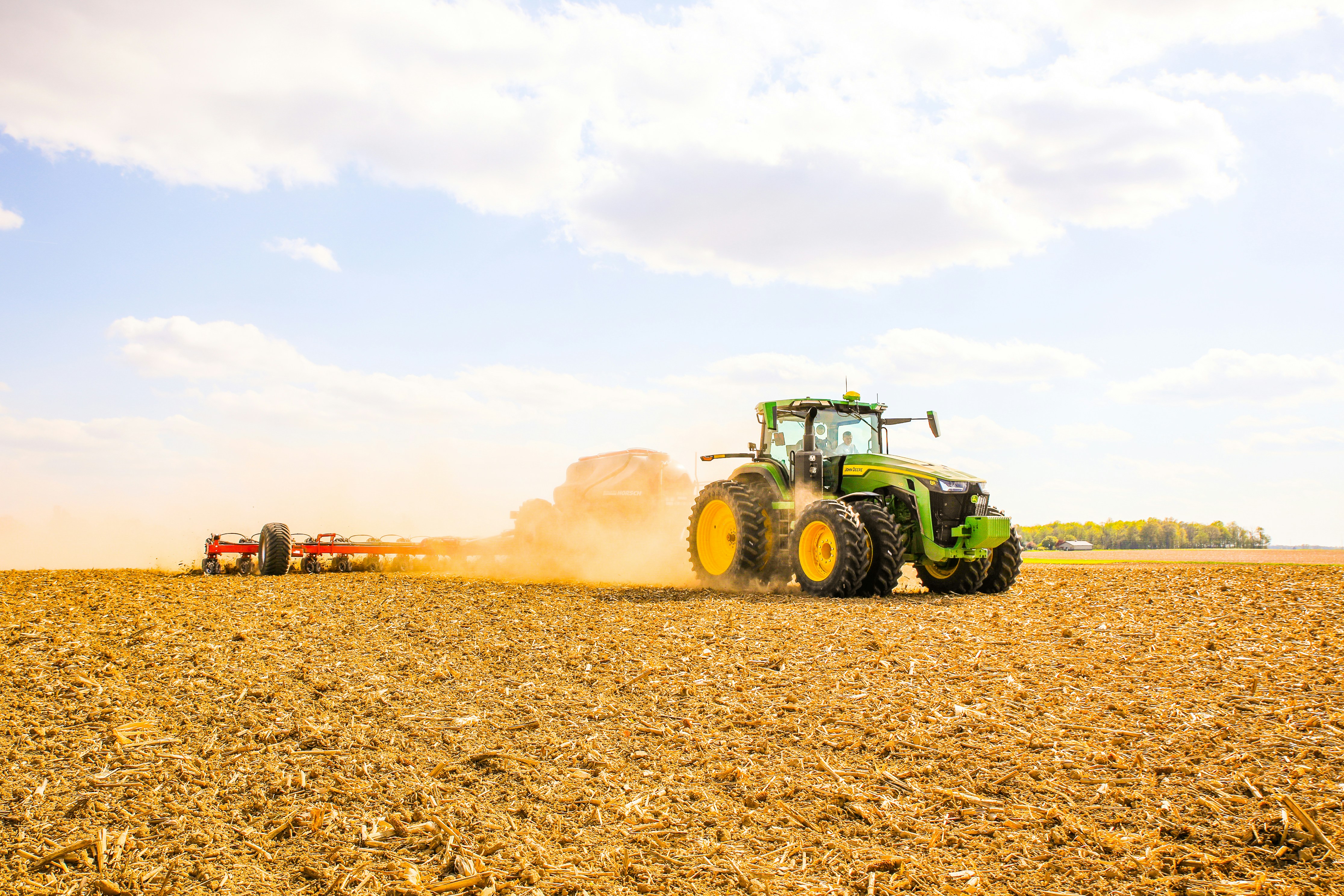
Track tractors trade wheels for rubber tracks, spreading the machine’s weight over a much larger footprint. That lower ground pressure means less soil compaction and better flotation in wet or soft fields where a wheeled tractor would simply sink or spin. Tracks come at a real cost premium and generally need more specialized service, so they tend to show up on larger operations where compaction control and flotation are worth that added expense.
Matching the System to the Job
If your ground is generally firm and you only need occasional extra traction, FWA is often enough and keeps acquisition and repair costs down. If you’re running heavy tillage or loader work regularly, MFWD’s constant traction is usually worth the added cost. If compaction and flotation in soft or wet ground are a persistent problem, tracks solve that in a way wheels simply can’t.
Main-West Equipment lists tractors across all three drivetrain types, and our team can help you think through which setup actually fits your fields and your workload before you bid.
Other Blogs


