Blog
Tanker Trailers: DOT Classifications Every Buyer Should Know
A buyer's guide to DOT tanker trailer classifications, covering specification plates, cargo compatibility, inspection requirements, and what to check before bidding.
Published
Category

Latest auction
2015 Serco 8500
Subscribe to Updates
Get monthly insights on equipment values, market trends, and selling strategies. Real advice, no spam.
Buying a tanker trailer at auction is different from buying a dry van or flatbed. The trailer’s classification determines what it can legally haul, what inspections it requires, and how it must be maintained. A tank that looks structurally sound can still be the wrong purchase if its DOT specification does not match the cargo a buyer intends to haul. Understanding the classification system before bidding helps buyers avoid an expensive mismatch and gives sellers a clearer way to describe what they are offering.
The starting point for any tanker trailer is its specification plate, commonly called the DOT plate or MC plate depending on the trailer’s age and construction standard. This plate identifies the tank’s design specification, test pressure, maximum product density, and the standards it was built and inspected under. Before bidding on any tanker, buyers should locate this plate, photograph it, and confirm it is legible. A missing or unreadable plate is a serious red flag, since it can make the trailer difficult to register, insure, or use for certain cargoes without additional inspection and recertification.
Non-pressure cargo tanks, historically labeled under the MC-306 or DOT-406 specification, are the most common type seen hauling fuel, non-corrosive liquids, and general petroleum products. These tanks typically feature rounded or elliptical cross-sections, bottom-loading and bottom-unloading systems, and relatively low working pressures. They are widely available in the used market and tend to have a broad resale audience because of how many industries can use them. Buyers should still verify tank thickness, internal baffle condition, and the condition of valves and fittings, since corrosion from certain products can weaken the tank from the inside.
Low-pressure chemical tanks, under the MC-307 or DOT-407 specification, are built for corrosive or reactive chemical products and typically use rounded tank shapes with higher structural reinforcement than fuel tankers. These trailers often include specialized linings, vents, and venting systems designed to handle chemical vapor safely. Buyers considering one of these trailers for chemical hauling need to confirm lining compatibility with the intended product, since a lining suited for one chemical family may fail or contaminate a different one.
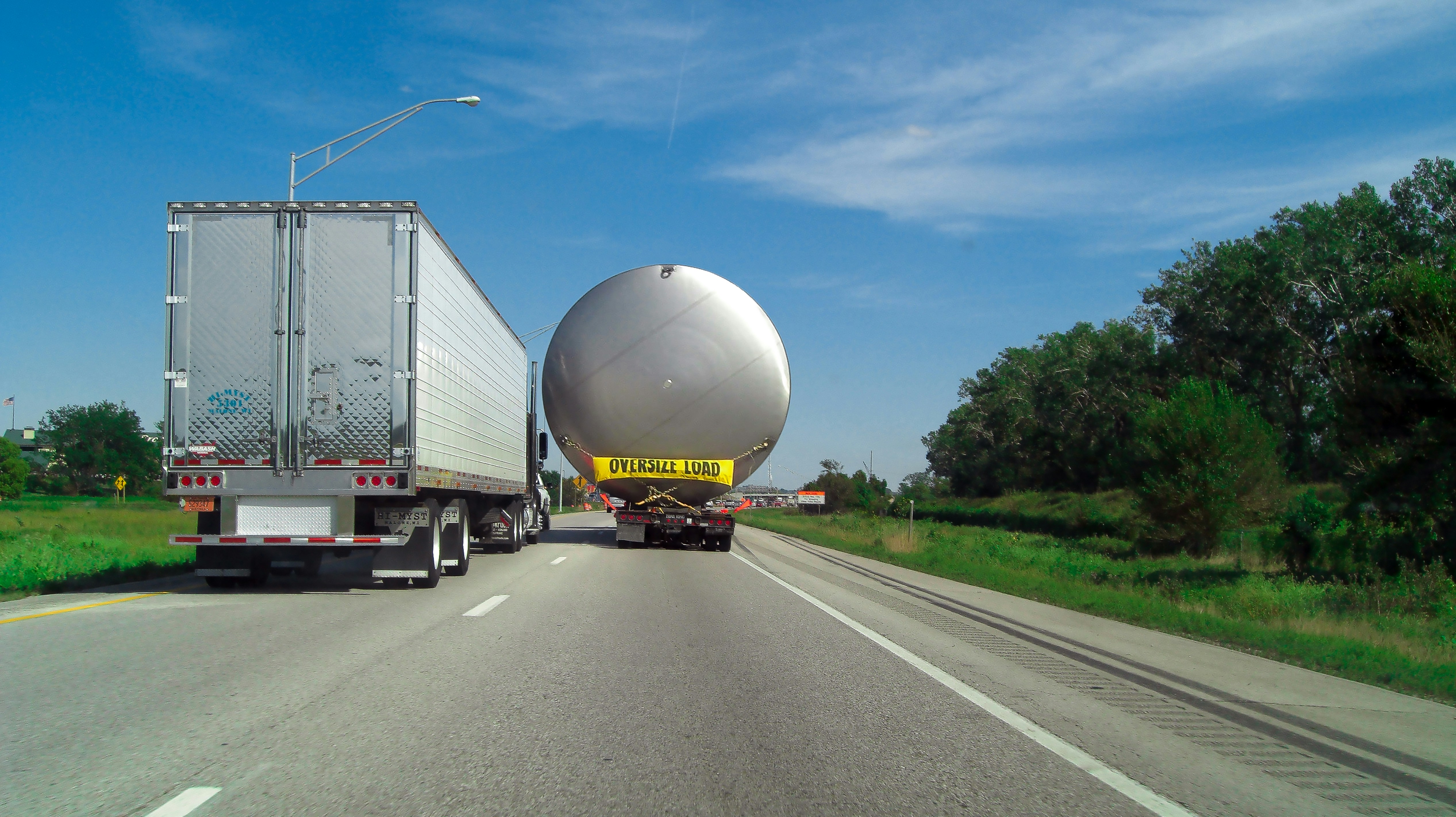
High-pressure tanks, classified under MC-312 or DOT-412 specifications, are built for corrosive materials that require tighter pressure control, often featuring smaller, rounder cross-sections and heavier reinforcement rings. These trailers are less common in general freight and more specialized, so the resale market can be narrower. Compressed gas and cryogenic tankers fall into their own specialized categories entirely, with construction standards, insulation requirements, and inspection intervals that differ substantially from liquid tankers. A buyer unfamiliar with these specialized categories should consult someone experienced with that specific tank type before bidding.
Beyond the base specification, buyers need to understand inspection and testing requirements tied to the trailer’s classification. Cargo tanks require periodic testing that can include external visual inspection, internal visual inspection, pressure or leakage testing, and thickness testing, all performed on a defined interval depending on the tank’s classification and use. A trailer that is out of test is not necessarily unusable, but it will require inspection and possibly repair before it can go back into service hauling regulated product. Ask the seller or auction company whether current test documentation is available, and budget for inspection costs if it is not.
Compatibility between the tank’s construction and the intended cargo is the single most important factor in a tanker purchase. A tank built and tested for petroleum products is not automatically suitable for chemicals, food-grade products, or asphalt, even if the dimensions and pump systems look similar. Food-grade tankers require specific interior finishes and cleaning documentation that non-food tanks will not have. Asphalt and heated product tankers require insulation and heating systems that a standard fuel tanker will not include. Buying the wrong classification for the intended cargo can create compliance problems well beyond the purchase price.
Physical inspection should focus on areas that commonly fail regardless of classification. Check the tank shell and heads for dents, bulges, or corrosion, particularly near baffles and weld seams. Inspect valves, fittings, and vents for leaks, corrosion, or missing components, since these parts are expensive to replace and directly affect whether the trailer passes inspection. Look closely at the suspension, axles, brakes, and frame rails, since a tanker’s weight distribution puts unique stress on the running gear compared to a dry van of similar length. Any trailer with visible tank repairs should come with documentation showing the repair was performed to the applicable specification.
For sellers preparing a tanker trailer for auction, clear documentation is the most valuable thing they can provide. Include the specification plate details, most recent test dates, product history if known, and any repair records in the listing. Buyers researching tanker classifications appreciate transparency, and a well-documented trailer will generally attract more serious bidders than one with an unclear history. If the trailer has hauled a specific product exclusively, say so, since that history can matter to a buyer planning similar use.
Tanker trailers reward buyers who do their homework before bidding. Confirming the DOT classification, checking current inspection status, and matching the tank’s construction to the intended cargo are not optional steps—they are the difference between a productive purchase and a trailer that cannot be legally used for its intended purpose. A little research before the auction, paired with a careful physical inspection, gives buyers the confidence to bid on the right trailer for the job.
Other Blogs


