Blog
The Used Truck Market: What's Driving Freight Equipment Values
Why used semi trucks and freight equipment values are shifting, and what it means for buyers and sellers at auction.
Published
Category

Latest auction
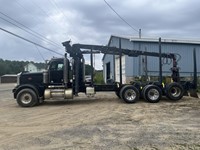
2015 Serco 8500
Subscribe to Updates
Get monthly insights on equipment values, market trends, and selling strategies. Real advice, no spam.
The used truck market has been on a wild ride over the last several years, and freight equipment values are still working through the aftermath. Whether you are shopping for a day cab, a sleeper, or a grain hauler, understanding what is actually driving today’s prices can help you time a purchase or sale more effectively.
How We Got Here: A Quick Look Back
During the pandemic-era freight boom, new truck production slowed due to parts shortages while freight demand spiked, and used truck prices shot up to record levels. Carriers large and small paid premiums just to keep trucks on the road. That boom was always going to correct, and it did, with used truck values falling sharply as freight rates softened and new truck supply caught up.

That correction left a lot of carriers and owner-operators underwater on equipment they financed near the peak, and it pushed a wave of used trucks onto the market as operators downsized or exited. The oversupply from that period is still working its way through, which matters for anyone shopping today.
Freight Rates and Carrier Health
Freight rates remain the single biggest driver of truck values. When spot and contract rates are healthy, carriers expand and used truck demand firms up across every class. When rates are soft, as they have been in parts of the general freight market, carriers hold onto cash, defer replacement purchases, and some smaller operations shut down entirely, adding more used inventory to an already loose market.
Specialized hauling segments, including agricultural and livestock transport, have not always moved in lockstep with general dry van freight. Grain trucks, livestock trailers, and tankers tied to agricultural cycles can hold value differently depending on local harvest conditions and commodity prices, which is worth watching separately from the broader over-the-road market.
Emissions Regulations and Equipment Age
Upcoming and recently implemented emissions regulations continue to shape which trucks hold value. Pre-emissions and older emissions-era trucks often command a premium with certain buyers who want to avoid the cost and complexity of newer emissions systems, particularly in regional and vocational use where EPA-regulated equipment is less practical. Meanwhile, newer trucks with the latest emissions hardware can see softer demand from buyers wary of maintenance costs on complex systems once they are out of warranty.
This has created an unusual dynamic where truck age alone does not predict value as cleanly as it once did. A well-maintained truck from a favored model year can out-earn a newer unit on the resale market, which makes inspection and maintenance history more important than ever.
What Buyers Should Watch For Right Now
Buyers in today’s market have more selection and more negotiating leverage than they did a few years ago, but that does not mean every truck is a bargain. Pay close attention to mileage, engine hours, and documented maintenance, since the gap in actual condition between two trucks of the same year and mileage can be significant. Tires, brakes, and drivetrain components are worth inspecting closely, as deferred maintenance from a carrier under financial pressure is common in today’s used inventory.
For agricultural and vocational buyers specifically, look for units that were used in lighter-duty regional service rather than long-haul over-the-road work, as the wear patterns tend to be more favorable even at similar mileage.
What Sellers Should Know
If you are considering selling a truck, timing and presentation matter more in a buyer’s market. Clean records, recent service documentation, and honest disclosure of any issues help a unit stand out and sell closer to its real value. Trucks that are well-maintained and clearly presented continue to draw solid bidding even when the broader market is soft, because buyers are more willing to pay up for equipment they can trust.
Main-West Equipment tracks freight and truck market conditions closely so we can give sellers realistic expectations and help buyers find solid equipment at a fair price. If you are weighing a truck purchase or sale, reach out to our team for a current read on the market.
Other Blogs


