Blog
Wheel Loader Bucket Sizes: Matching Capacity to Your Application
How to match wheel loader bucket capacity and type to your material, cycle times, and application so you're not losing money to the wrong attachment.
Published
Category
Auction Tips

Latest auction

Perham Stockyards End of Year Consignment Sale
Subscribe to Updates
Get monthly insights on equipment values, market trends, and selling strategies. Real advice, no spam.
Bucket size is one of the most overlooked specs when buying or spec’ing a wheel loader, and it’s also one of the easiest to get wrong. Too small and you’re taking extra passes to move the same pile. Too large and you’re overloading the machine, burning more fuel per yard moved, and risking premature wear on the linkage and tires.
Start With Material, Not Machine Size
Bucket capacity is rated by volume, but the material you’re moving determines how much of that volume you can actually use. Loose topsoil or mulch is light and fluffy, so a heaping bucket rarely comes close to the loader’s rated operating capacity. Crushed stone, sand, or wet clay is dense, and a heaping bucket of that material can push well past what the loader is rated to lift safely. Always check the material’s density against your loader’s tipping load and operating capacity before assuming a bigger bucket is better.
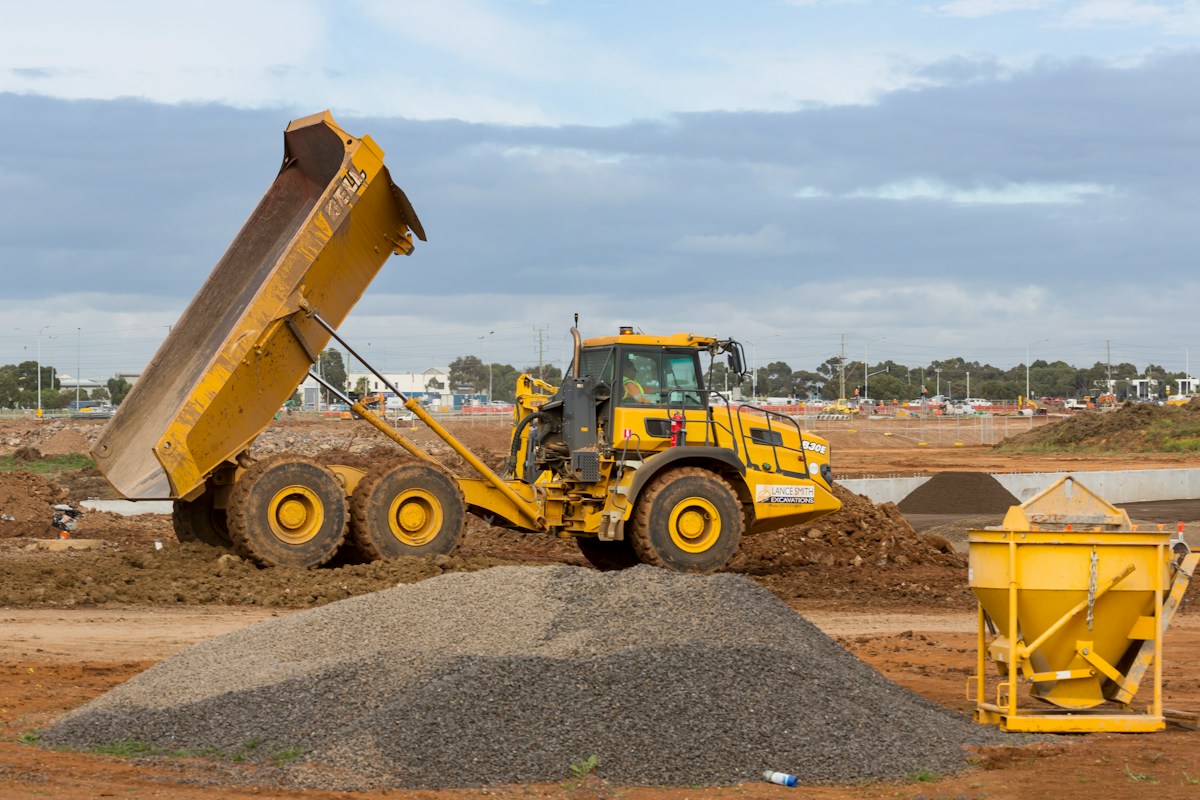
General, Heavy Material, and High Capacity Buckets
General purpose buckets are built for a mix of loading and light grading work and are the right call for operations that handle a variety of materials day to day. Heavy material buckets are smaller in volume but reinforced to handle dense loads like rock or scrap metal without flexing or cracking the cutting edge. High capacity, or light material, buckets are larger and lighter-walled, built to move volume efficiently on things like mulch, grain, or snow where weight per yard is low. Picking the wrong category for your primary material is the single biggest reason a bucket feels undersized or oversized on a machine that’s otherwise correctly spec’d.
Cycle Time Math That Actually Matters
A smaller bucket isn’t automatically slower. If a slightly larger bucket forces your operator to carry partial loads to stay within safe lift capacity, you can lose more time than you gained from the extra volume. Run the numbers on your actual cycle: loads per hour times usable volume per load, not rated volume per load. That’s the number that tells you whether a bucket swap will actually move more material per shift or just look better on a spec sheet.
Matching Bucket to Resale Value
If you’re buying with resale in mind, a standard general purpose bucket in good condition tends to hold value better and sell faster than a specialty attachment, simply because it fits more buyers’ needs. If a machine comes with a non-standard bucket, factor the cost of sourcing a more common size into your offer, since that’s a real expense the next owner may also face.
If you’re not sure which bucket category fits your application, Main-West Equipment’s team can walk through your typical material and cycle needs before your next purchase or consignment. Reach out and we’ll help you match capacity to the job, not just the spec sheet.
Other Blogs


