Blog
Grain Bin and Auger Systems: What Adds Value at Resale
What buyers actually pay for in used grain bins and augers, from bin condition and aeration systems to auger capacity, drives, and safety features.
Published
Category
Latest auction
2015 Serco 8500
Subscribe to Updates
Get monthly insights on equipment values, market trends, and selling strategies. Real advice, no spam.
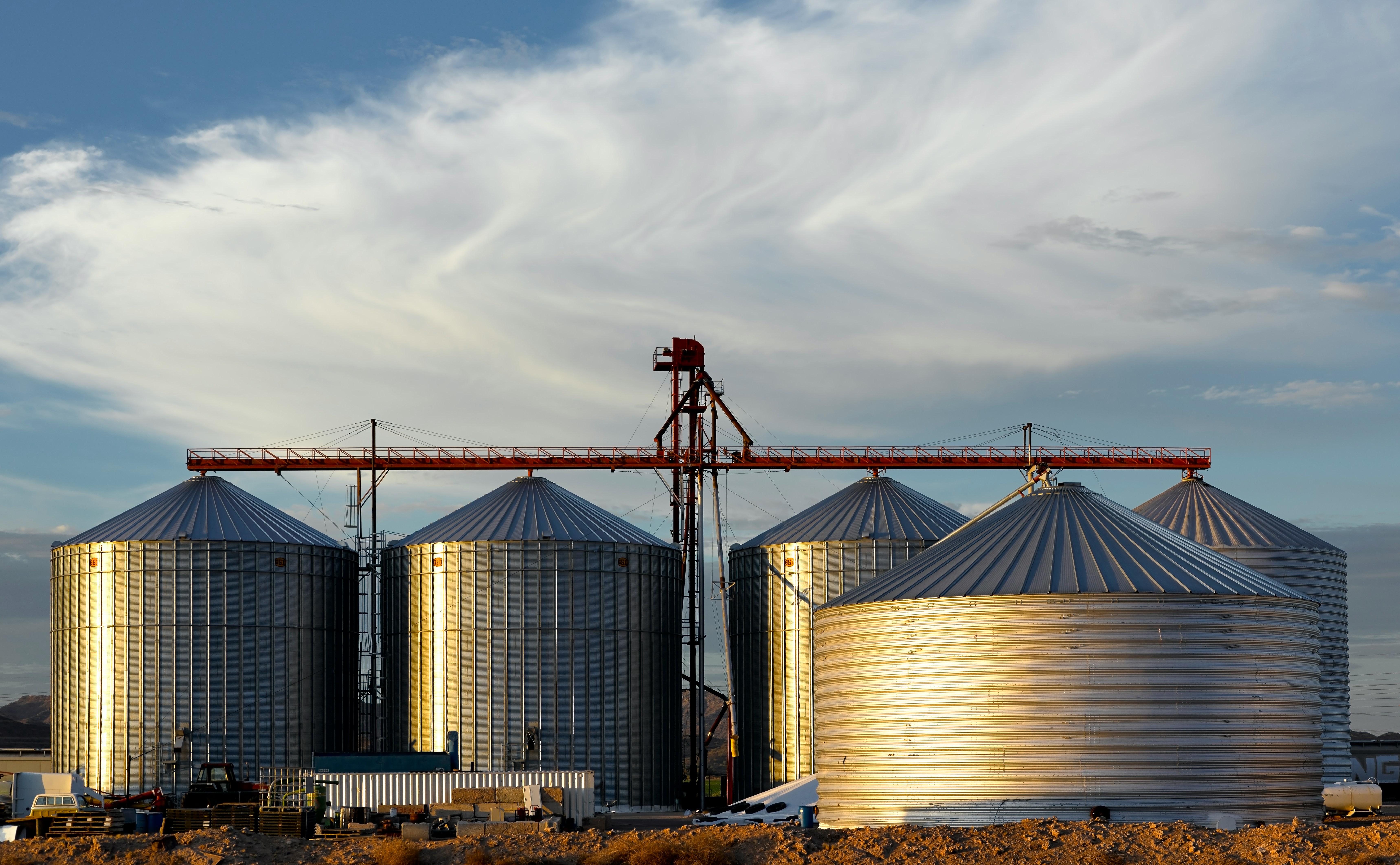
Grain bins and auger systems represent significant capital investment, and their resale value depends on a combination of structural condition, drying capability, and handling capacity that goes well beyond simple bin diameter. Buyers evaluating used storage and handling equipment are essentially estimating how much additional investment will be required before the system is ready for another season of use. Understanding what adds real value, versus what buyers tend to discount heavily, helps sellers price fairly and helps buyers avoid paying for capacity they cannot actually use.
Bin Condition and Structural Integrity
Structural condition is the foundation of a grain bin’s value, quite literally. Buyers inspect the foundation for cracking, settling, or water intrusion, since a compromised foundation can affect the entire structure’s integrity and is expensive to correct. Panel condition matters just as much: rust, especially at seams and near the base where moisture collects, indicates both age and potential for future leaks. Roof condition, including the vent and any signs of previous storm damage, should be inspected closely, since roof repairs on a large bin are costly and disruptive to complete.
Aeration and Drying Systems That Add Value
Bin capacity and configuration affect value differently depending on the buyer’s operation. A single large bin offers efficient storage per square foot of footprint but less flexibility for segregating grain types or managing partial loads. Multiple smaller bins allow more flexible management but require more foundation space and additional aeration and monitoring equipment per bin. Buyers with diversified operations often value flexibility, while buyers focused on a single commodity at scale prioritize total capacity and loading efficiency.
Aeration systems significantly influence resale value because they directly affect grain quality during storage. A bin with a functioning aeration floor, properly sized fan, and working temperature monitoring cables commands a real premium over a bin without these systems, since retrofitting aeration into an existing bin is both expensive and disruptive. Buyers should confirm that fans run at rated capacity, ductwork is free of significant corrosion, and any moisture or temperature cables are functional and properly calibrated, since non-functioning monitoring systems provide little practical value even if physically present.

Drying capability adds substantial value when integrated well with the storage system. A bin paired with a functioning grain dryer, whether a standalone unit or a bin-mounted system, allows an operation to bring in grain at higher moisture content and dry it down safely, which can extend harvest flexibility significantly. Buyers should evaluate dryer burner condition, fuel system integrity, and control functionality separately from the storage bin itself, since dryer repairs and replacement parts can be a meaningful expense if the system is not functioning properly.
Auger Capacity, Drive Type, and Wear Points
Auger systems are valued primarily on capacity, drive type, and physical condition of the flighting and tube. Capacity, typically measured in bushels per hour, should be matched to the operation’s actual loading and unloading needs rather than assumed to be universally better when higher. PTO-driven augers are simpler and less expensive to maintain but require a tractor to operate, while self-propelled and engine-driven augers offer independence at a higher purchase and maintenance cost. Buyers should run the auger during inspection whenever possible to check for smooth operation, unusual noise, and consistent flow without binding.
Flighting wear inside the auger tube is one of the most overlooked inspection points but directly affects both performance and remaining service life. Worn flighting reduces conveying efficiency and can indicate the auger has moved significant volume over its lifetime. Check for excessive play in the tube, worn or replaced bearings, and any signs of previous flighting repair or replacement, since these details help estimate how much useful life remains before a costly rebuild is needed.
Drive components, including gearboxes, belts, and hydraulic lift systems on swing-away augers, should be inspected for leaks, unusual wear, and proper operation of any lift or swing mechanisms. A hydraulic auger lift that does not raise and lower smoothly, or a gearbox showing signs of oil leakage or metal contamination, signals maintenance that has been deferred and should be factored into the offer. Buyers should also check that safety shields and guards over moving components are present and intact, since missing guards are both a genuine safety hazard and often the first thing an inspector or insurer will flag.
Safety Features Buyers Look For
Safety features increasingly influence buyer decisions on both bins and augers. Bin ladders with safety cages, properly functioning bin entry interlocks, and clearly marked electrical disconnects add real value because they reduce liability and support compliance with safety expectations many operations now hold themselves to. On augers, intact PTO shields, functioning emergency stops on powered units, and clear operator visibility around moving components are increasingly expected rather than optional, and their absence can meaningfully affect a serious buyer’s offer.
For sellers, documenting bin capacity, aeration and drying capability, recent inspections, and any completed repairs gives buyers the confidence to bid without excessive discounting for unknowns. For buyers, a careful walk-through that checks structural condition, tests aeration and drying systems, and physically inspects auger wear points protects against inheriting deferred maintenance. Grain storage and handling equipment holds value well when properly maintained, and understanding exactly what buyers are paying for helps both sides reach a fair, well-informed price.
Other Blogs


